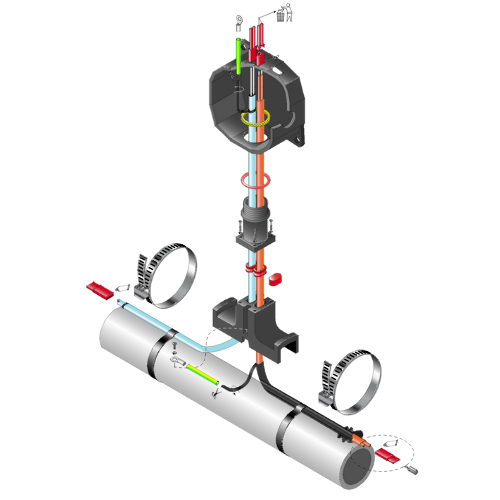
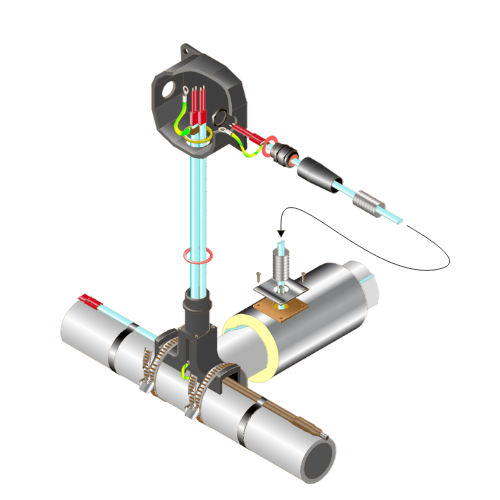
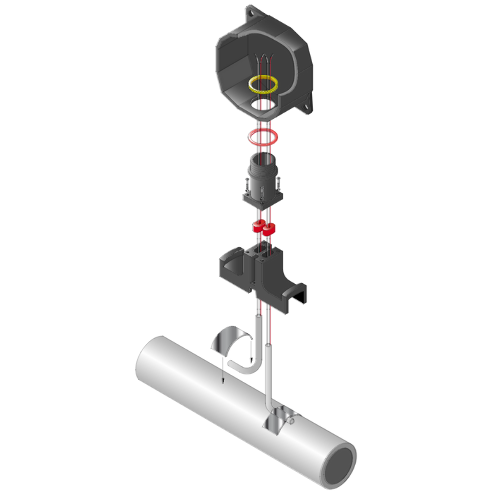
Heat Tracing for Oil and Gas, Refinery and Petrochemical Applications
Heat tracing oil and gas assets, refineries and petrochemical plants is what we do, and it’s why EPC procurement teams put Heat Trace on the bidder list before anyone else. If you’re specifying trace heating for an upstream, midstream or downstream project, certification is where the shortlist starts.
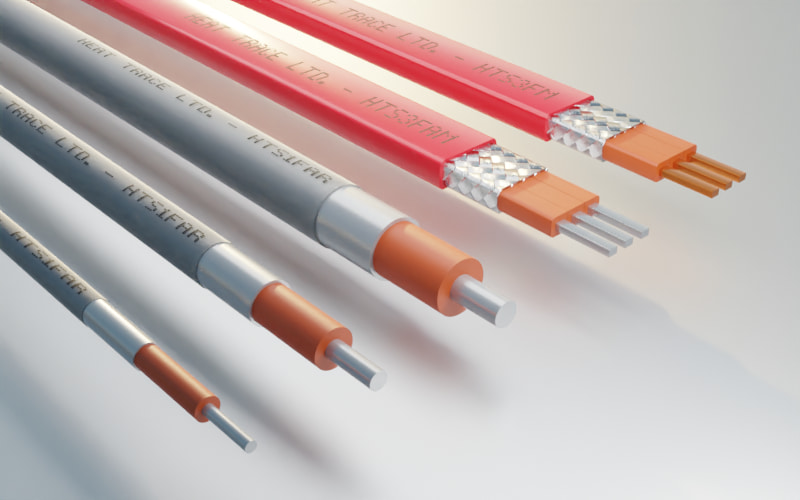
Heat Trace has supplied ATEX and IECEx approved heating cable and components combined into an engineered system into any kind of oil and gas and petrochemical projects for over 50 years, designed and manufactured in the UK to standards our own engineers helped write. Add us to your bidder list and we’ll return sizing calculations, hazardous area certificates and full technical documentation for your EPC package, backed by an engineering team that’s used to working to project schedule.
From freeze protection on above-ground pipelines to tank heating and instrument tracing, your heat tracing oil and gas scope usually reaches further than the process units an EPC package scopes first, and we cover all of it under one specification.
.jpg)
Oil and Gas-Related Applications for Refinery and Petrochemical Heat Tracing
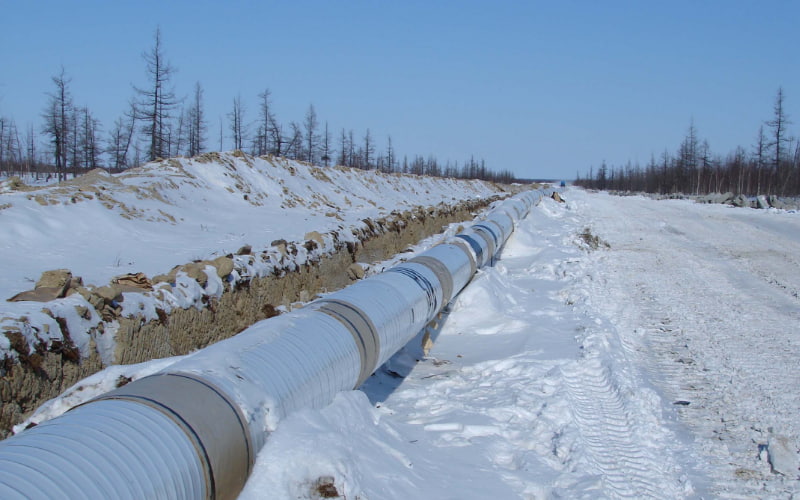
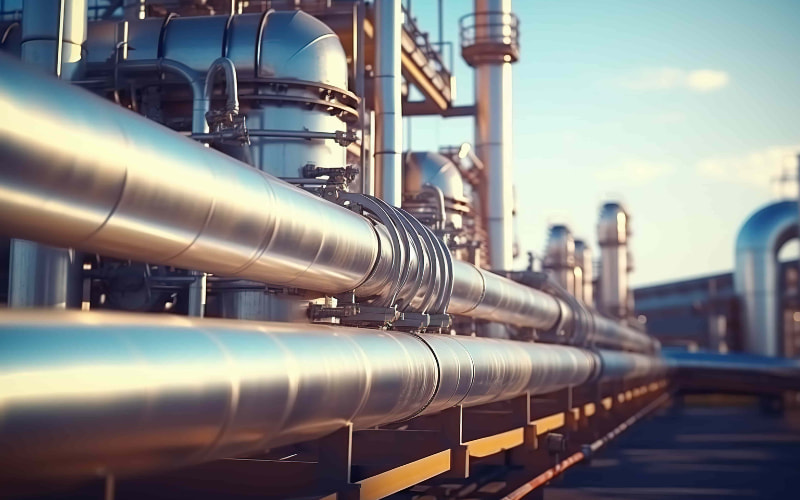
Heat tracing for oil and gas pipelines, storage tanks and process units has to survive decades in the field, not just pass a factory test. Crude oil, gas and petrochemical facilities depend on trace heating to keep product moving and process temperatures within specification, from the wellhead and gathering lines through to the tank farm and process unit.
Our refinery and petrochemical heat tracing systems, part of our full product range, are specified for:
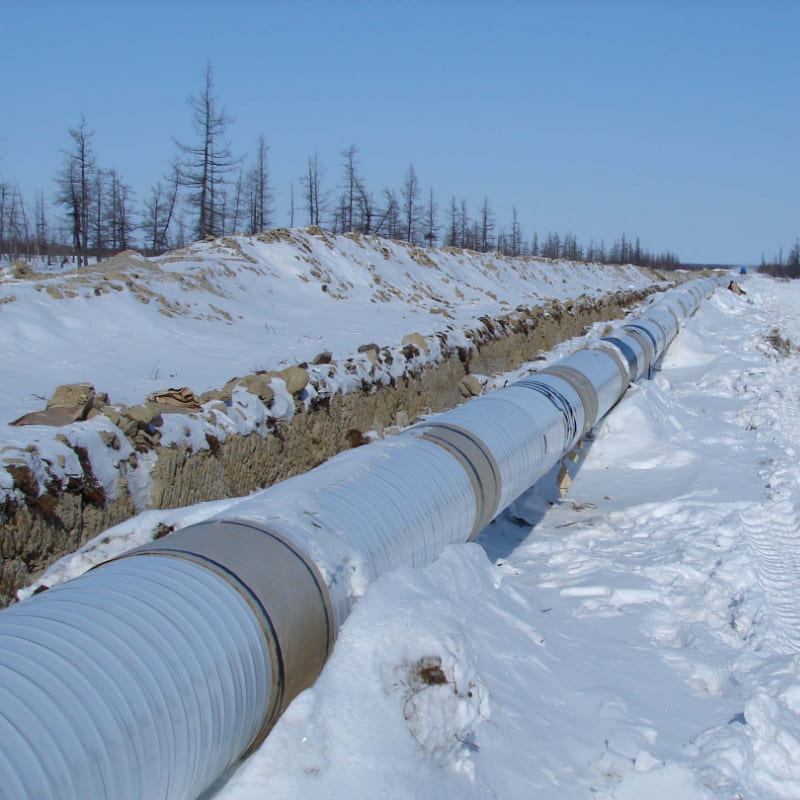
- Freeze protection or process temperature maintenance for above-ground and underground pipes, including long-distance pipelines up to 50km on a single power supply
- Tank and vessel heating for crude, condensate, fuel oil and chemical storage
- Process high temperature maintenance for reactors, columns and transfer lines where product has to stay within a specific temperature range
- Instrument and impulse line tracing, protecting pressure and level instrumentation from freezing or wax build-up
- Winterising utilities and safety systems ahead of shutdowns and turnarounds
Whether the scope is a new-build refinery heat tracing unit or a tie-in on an operating petrochemical process pipeline, our engineering team designs the circuit to your pipe spec, area classification and ambient conditions rather than a generic template. This is heat tracing for oil and gas done to specific project spec, not off a shelf. See the full breakdown on our Industrial Applications page. Every circuit we design also comes with a documentation pack of sizing calculations, certificates and datasheets ready to drop into your EPC technical file.
ATEX Heat Tracing and IECEx Heat Tracing for Hazardous Areas
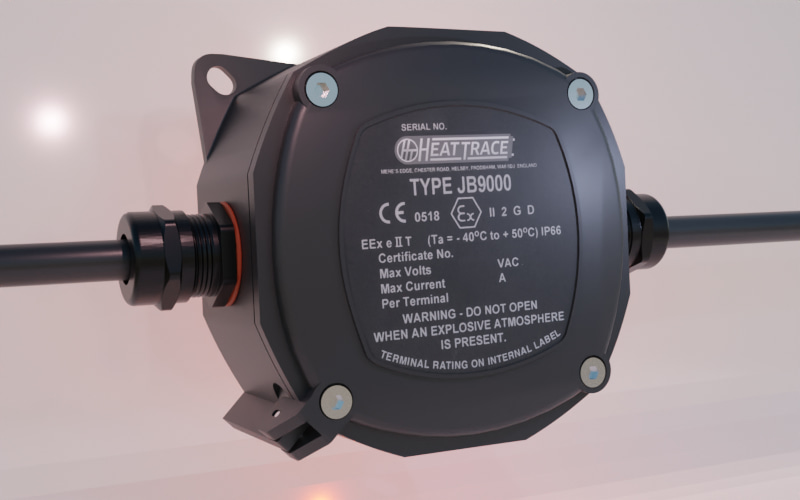
Most process areas on an oil and gas or petrochemical site are classified hazardous, so ATEX heat tracing and IECEx heat tracing approval isn’t optional, it’s the entry criterion for the bid list. Heat Trace has held ATEX approval since 2002 and gained worldwide IECEx Quality Assessment certification in 2011, adding a UK QAN in 2021 to support Ex certification in our home market. That’s the baseline for heat tracing and associated electrical equipment for oil and gas projects anywhere in the world. Read more on why certifications matter in electrical heat tracing.
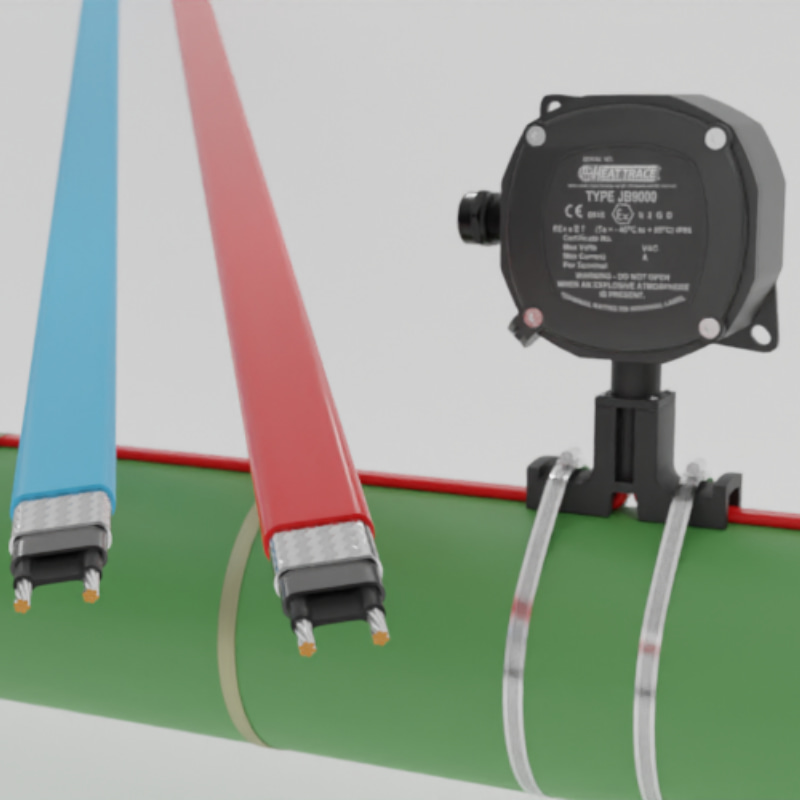
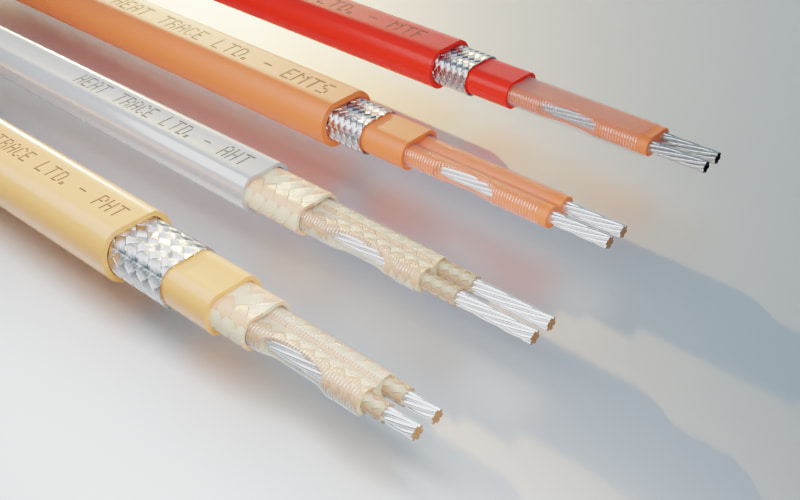
Our PowerHeat AHT constant wattage cable, for example, is ATEX heat tracing and IECEx heat tracing certified under ATEX certificate 19ATEX3387 and IECEx certificate 19.1551U, approved for Zone 1 and Zone 2 use, and rated to a maximum withstand temperature of 500°C for the highest temperature process lines. It’s heat tracing for hazardous areas built to be checked, not taken on trust: every certificate and datasheet is available for your technical file before you commit a vendor to the bid.
ATEX and IECEx are independently governed: see the European Commission’s ATEX directive and the IECEx certification scheme for the underlying standards. Full specification is on the PowerHeat AHT product page.
Refinery Heat Tracing for Long Circuit Lengths
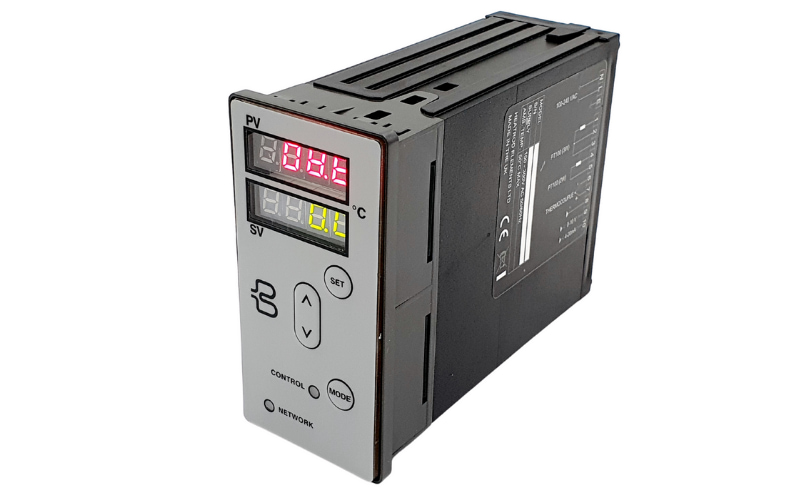
Refineries and petrochemical plants often need circuits that run well beyond the reach of a standard parallel resistance cable, which is where our long-line heat tracing for extended pipelines earns its keep. Our Longline series resistance cables are individually engineered to the exact length and load of your route, supporting circuit lengths up to 50km without the extra junction boxes and power supply points a shorter cable would need. It’s available in constant wattage or self-regulating output depending on the process, and every circuit is calculated and documented before it ships. Each circuit can be paired with our Temperature Control and Monitoring range, so refinery and pipeline operators get zone-rated alarms and RTD sensing on the same hazardous-duty circuit instead of sourcing controls separately.
Proven in the Field
Our Longline cable has been engineered to IEC 60079-1 for long-distance, hazardous-duty circuits, including a 670-metre fuel oil handling run supplied for a European power generation project. Full case detail is available on request, and further long-distance and hazardous-duty installations are on our case studies page.
A UK Manufacturer EPC Teams Can Specify With Confidence
Heat Trace has designed and manufactured trace heating systems in the UK since 1974, from our own facilities in Helsby and Bredbury. We’re ISO 9001:2015 accredited for design, manufacture and engineering, and our team has been directly involved in writing the standards the industry specifies against, including BS6351 and IEC 60079-30. For EPC procurement teams specifying heat tracing for oil and gas projects, that means one point of contact for cable, controls and certification, backed by decades of installed base in hazardous area process plants.
Add Heat Trace to Your Bidder List
If you’re building an approved vendor list for general oil and gas or specific refinery or petrochemical project, send us your specification and we’ll come back with design basis, certification packs and lead times for your heat tracing oil and gas scope. Request registration on your EPC bidding platform, or contact our engineering team for a qualified quote on your next refinery heat tracing, pipeline or petrochemical heat tracing project.
Frequently Asked Questions
What certifications does Heat Trace hold for heat tracing systems in hazardous areas?
All of our industrial heat tracing cable, accessories and components are ATEX heat tracing and IECEx heat tracing certified, including under ATEX certificate 19ATEX3387 and IECEx certificate 19.1551U. Check the certification matrix across our product range, including Longline series resistance cables, which carry their own ATEX, UKEX and IECEx approvals.
What circuit lengths can Heat Trace’s cable support for refinery and pipeline projects?
Our Longline series resistance cable supports circuit lengths up to 50km from a single power supply point, which is what makes it suited to long underground pipeline routes and long distance runs where a standard parallel heating cable would need far more junction boxes and power points.
What documentation will Heat Trace provide for an EPC bidder pack?
Heat loss calculations, product selection and preliminary power consumption design, certificates for hazardous area application, datasheets and installation instructions are all available, either issued directly against your specification or found on our Downloads page.
Does Heat Trace offer engineering design support for oil and gas and petrochemical projects?
Yes, our in-house Design and Engineering Services team works directly with EPC contractors to design and submit completed engineering delivery package your bid requires.
What’s the difference between self-regulating, constant wattage and Longline heat tracing cable?
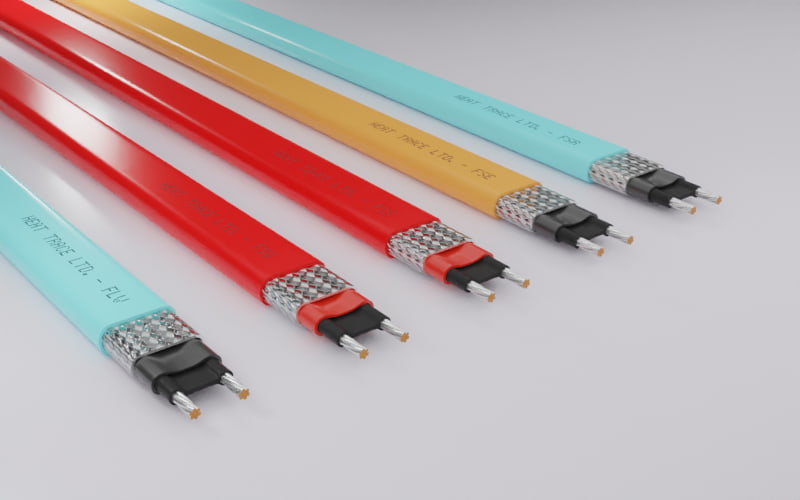
Self-regulating cable adjusts its own output as pipe temperature changes and suits shorter, variable-load circuits. Constant wattage cable delivers a fixed heat output per metre for precise process temperature maintenance. Longline series resistance cable is used where circuit lengths run beyond what parallel cables can cover technically and economically, cutting the number of power points needed along a refinery or pipeline route.
How long are typical lead times for oil and gas heat tracing orders?
Lead times vary by cable type, circuit length and certification requirements, so we size and quote against your actual specification rather than a generic figure. Contact our engineering team early in the bid process and we’ll confirm delivery against your project schedule.